 als
alsMenu
News and Events
The joint online GNSS training at Baku State University (BSU) has been successfully completed.
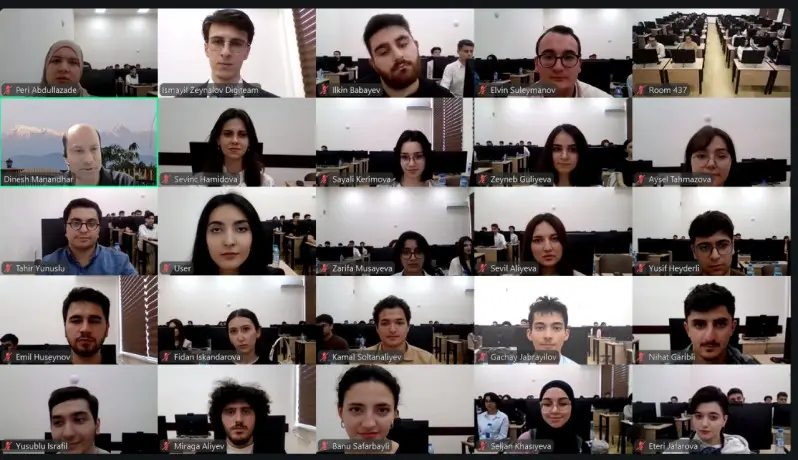
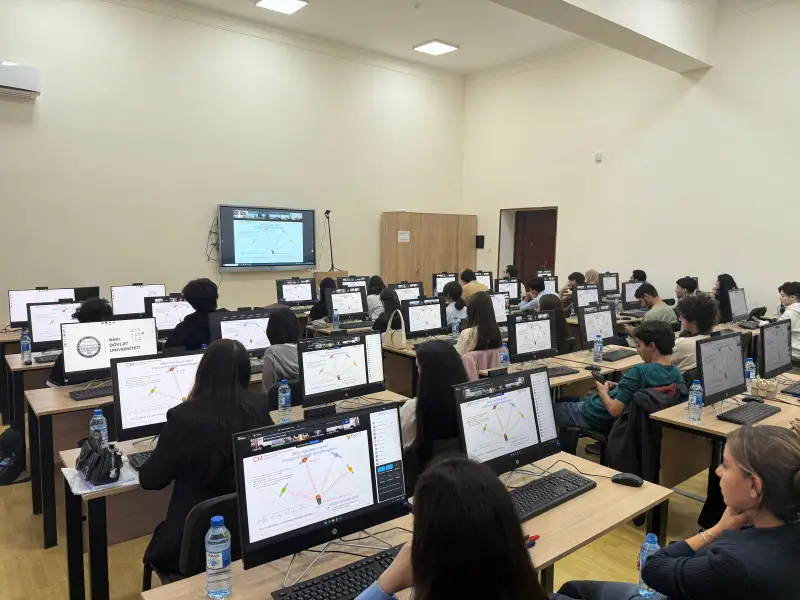
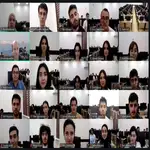
An international webinar titled “GNSS Training”, jointly organized by Baku State University and the Center for Spatial Information Science (CSIS) of the University of Tokyo, was successfully held on 7–11 October 2025. The training was also supported by the International Committee on Global Navigation Satellite Systems (ICG).
The three-day online training focused on the scientific and practical foundations of Global Navigation Satellite Systems (GNSS) technologies. Faculty members and students of BSU, as well as specialists from various professional fields, participated in the program.
The training sessions were led by Dinesh Manandhar, a leading researcher at CSIS, University of Tokyo. He is an internationally recognized expert in GNSS technologies, methods for improving positioning accuracy, real-time navigation systems, and satellite data processing. For many years, Dinesh Manandhar has conducted scientific research on GNSS applications, including the RTKLIB software and high-precision positioning methods. He has also contributed to the expansion of GNSS education and practical applications through joint projects with universities and research institutions across Asia and Europe.
The webinar program covered the following key topics:
-
Structure of GNSS systems, satellite signals, and coordinate systems;
-
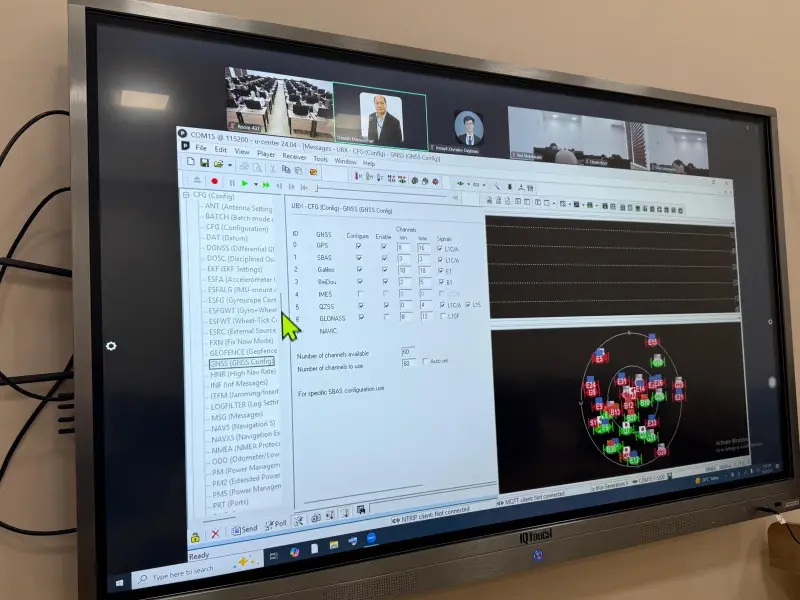
Positioning accuracy, GNSS errors, and high-precision measurement techniques (DGPS, RTK, PPP, MADOCA-PPP);
-
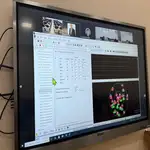
GNSS data processing and analysis methods using the RTKLIB software;
-
Real-time data processing and accuracy comparisons.
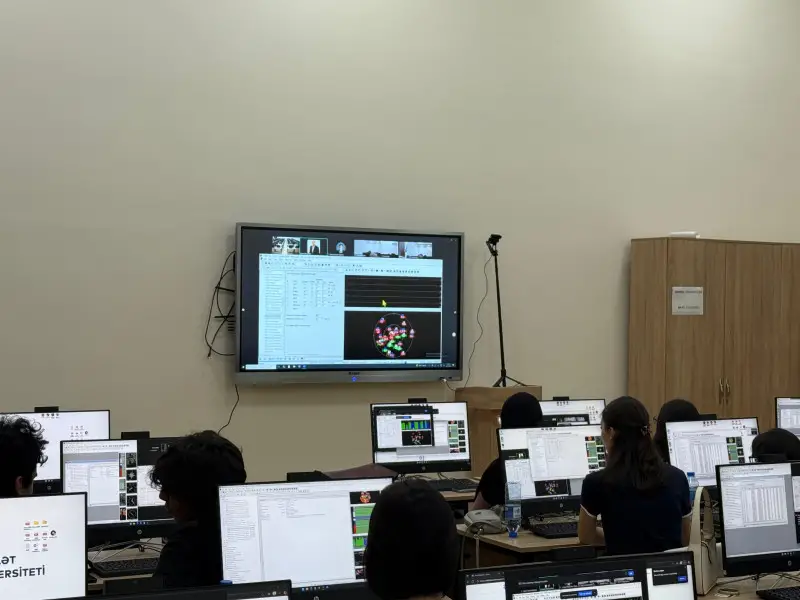
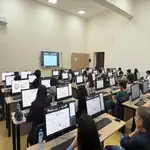
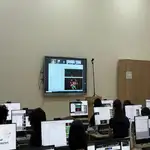
Participants gained both theoretical knowledge and practical skills. Under the guidance of instructors joining from Tokyo and Baku, real-time practical exercises on GNSS data processing were conducted.
During the final discussions, participants exchanged views on the application of GNSS technologies in transport management, early warning systems, and environmental monitoring.
The successful completion of the training represents an important step in strengthening BSU’s international cooperation and in applying new technologies to the teaching of modern geographic information systems.
SDG 4: Quality Education, SDG 9: Industry, Innovation and Infrastructure, SDG 17: Partnerships for the Goals