 als
alsMenu
News and Events
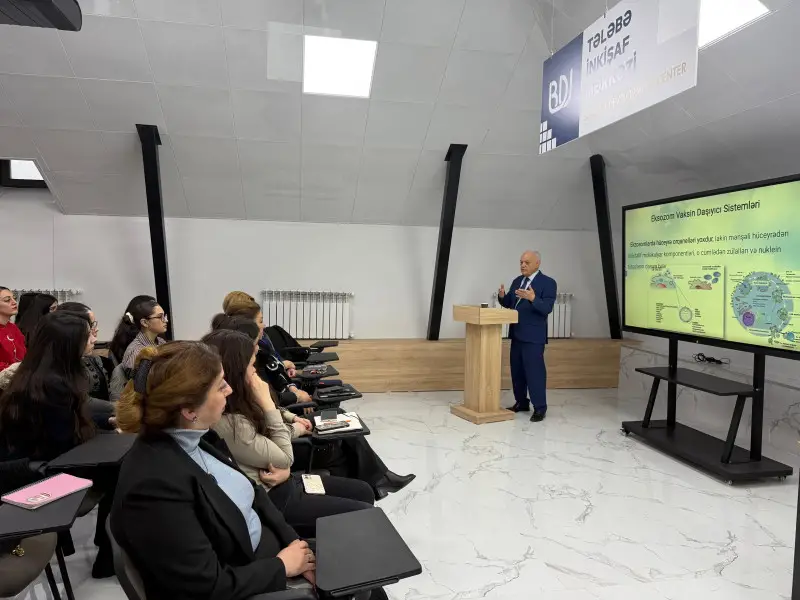
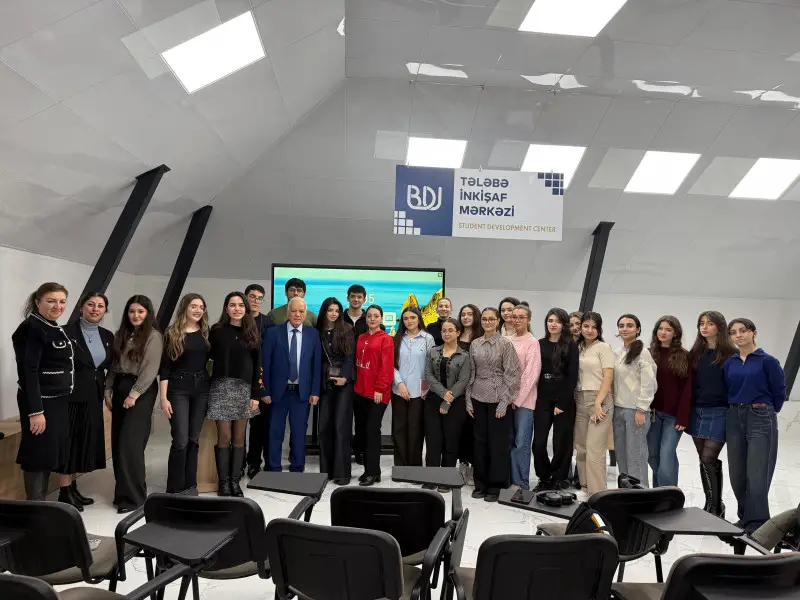
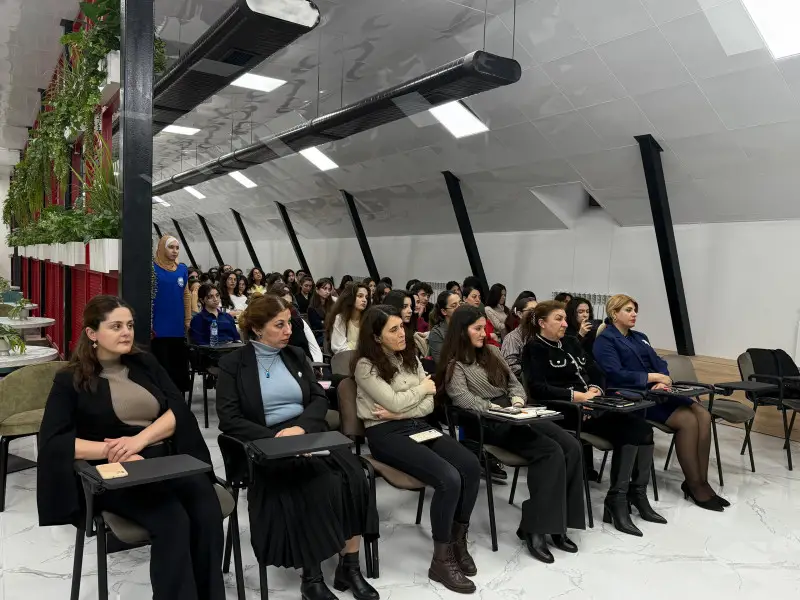
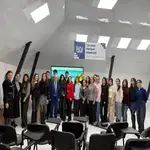
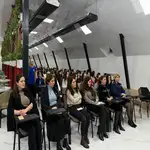
A masterclass titled “Vaccine Biotechnology: Nanovaccines” was delivered to students at Baku State University (BSU) under the organization of the BSU SABAH Center by Professor Adil Abdullayev, Director of the Y.V. Akhundov Scientific Research Institute of Medical Prophylaxis.
During the event, Professor Adil Abdullayev provided detailed information on the working principles of vaccines, classical and modern types of vaccines, as well as the structural and functional characteristics of nanovaccines. He particularly emphasized the advantages of nanovaccines, including the ability of nanoparticles to protect antigens and deliver them directly to immune cells, thereby inducing a strong immune response.
The masterclass also addressed the structure of liposome-, polymer-, and metal-based nanocarriers, their role in enhancing adjuvant effects, and the potential applications of nanovaccines in cancer immunotherapy, especially in tumor antigen presentation and T-cell activation.
At the same time, key challenges related to nanovaccines were highlighted, such as the high cost of production, limited data on long-term toxicity and bioaccumulation, and the possibility of excessive immune responses caused by certain nanomaterials. Within the framework of ethical considerations, the importance of conducting safety trials transparently and properly assessing the risk–benefit balance in clinical applications was underlined.
In conclusion, it was noted that nanovaccines open new opportunities not only for combating infectious diseases but also for cancer treatment; however, their widespread application requires further scientific research, comprehensive safety assessments, and adherence to high ethical standards.
The session concluded with a Q&A segment addressing students’ questions.
SDG 3 (Good Health and Well-being), SDG 4 (Quality Education), SDG 9 (Industry, Innovation and Infrastructure), SDG 12 (Responsible Consumption and Production), SDG 17 (Partnerships for the Goals)