 als
alsMenu
News and Events
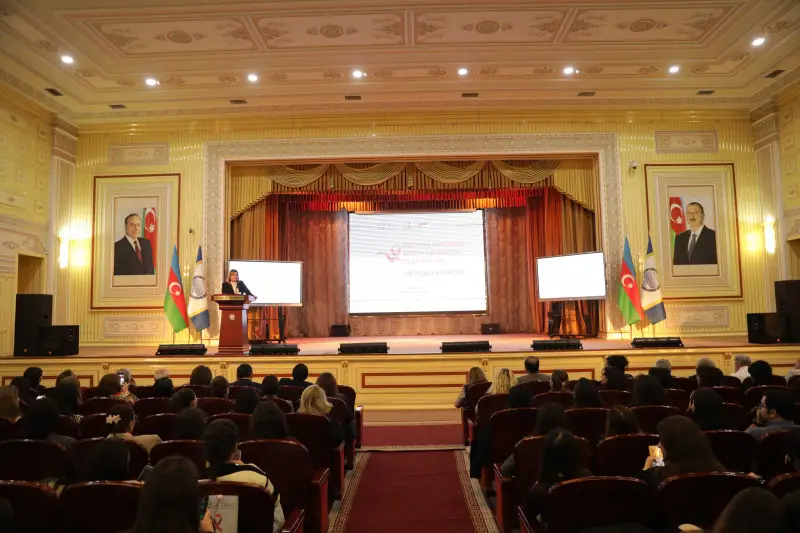
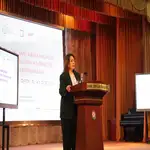
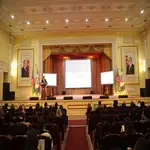
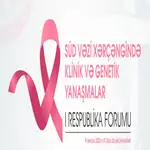
The First National Forum on “Breast Cancer: Clinical and Genetic Approaches” is being held at Baku State University (BSU), jointly organized by the Faculty of Biology and the Student Youth Organization. The forum aims to address early diagnosis of breast cancer, contemporary clinical and genetic approaches, laboratory research, risk factors, and the development of multidisciplinary scientific cooperation.
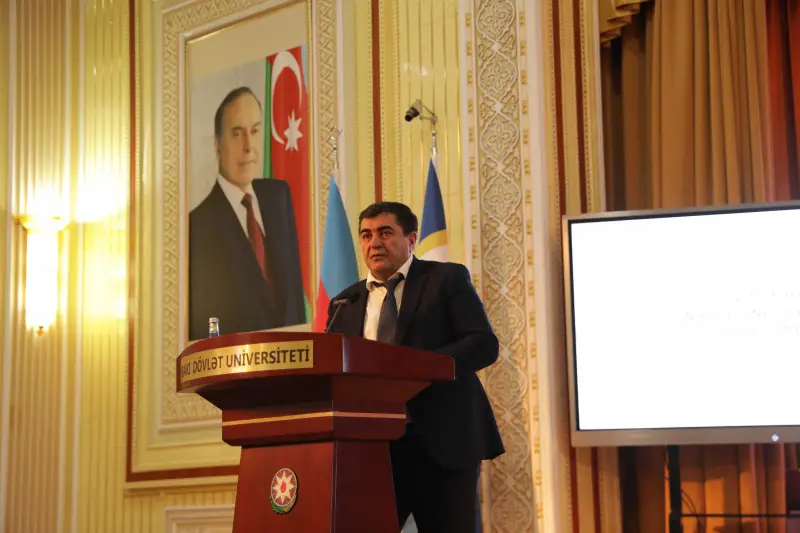
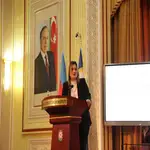
BSU Vice-Rector for Science and Innovations Huseyn Mammadov wished success to the forum, noting that the formation of competitive human capital and the development of a green economy are among the key priorities of the “Azerbaijan 2030: National Priorities for Socio-Economic Development.” He emphasized that BSU attaches particular importance to strengthening science–industry–education linkages and to training specialists with convergence-based knowledge and skills. Biology is one of BSU’s five main scientific priority areas, and several industry-oriented laboratories, including the International Research Laboratory of Pharmacological Microbiology, have been established at the University. Highlighting the interdisciplinary nature of the forum, he encouraged young participants to take an active role in its proceedings.
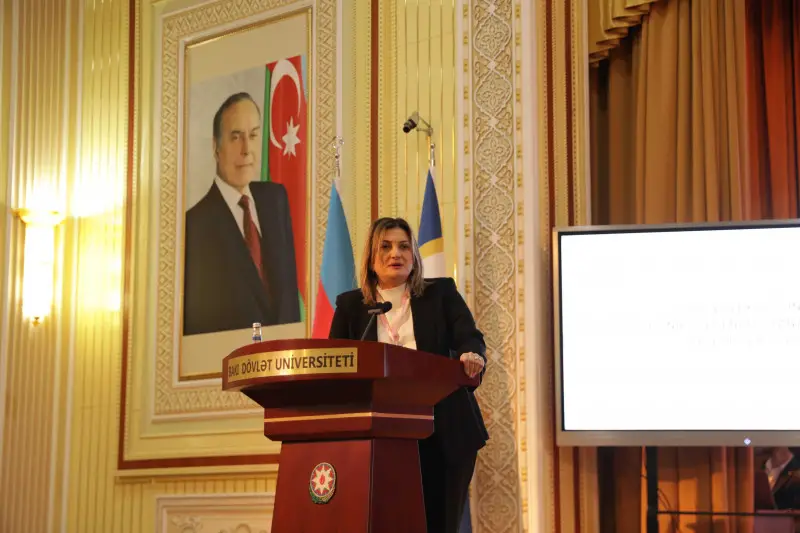
Dean of the Faculty of Biology, Afat Mammadova, underlined that breast cancer remains one of the most pressing global health challenges. She noted that for the first time, physicians, molecular biologists, and geneticists are coming together on a single platform to discuss this issue. Emphasizing that diagnosis alone is not sufficient, she stressed the importance of studying the genetic foundations of the disease and expressed confidence that the forum could serve as a starting point for new research initiatives.
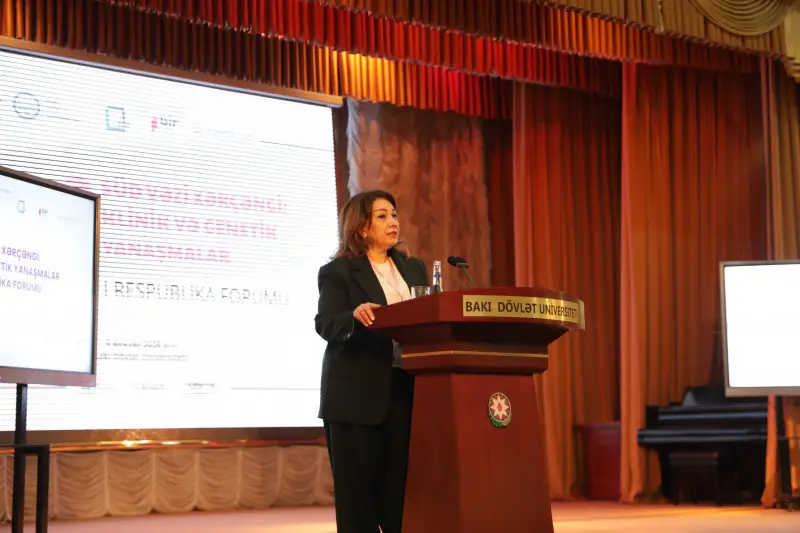
Tamara Guliyeva, Chief Physician of the Oncology Clinic of Azerbaijan Medical University, stated that significant progress has been made in Azerbaijan in the field of breast oncology over the past 20 years, and that this area continues to be a priority in medicine. Citing global statistics, she noted that one in eight women may face breast cancer at some stage of life, and that in 2023 more than 2.36 million new cases were diagnosed worldwide. She emphasized that the increasing incidence of the disease is closely linked to genetic factors and that long-term effective treatment requires close cooperation between oncologists and geneticists. She also highlighted the forum’s value for students in terms of education, research, and future career opportunities.
Chair of the Student Youth Organization of the Faculty of Biology, Nigar Huseynova, spoke about the importance of engaging students in scientific activities, promoting health-related awareness initiatives, and fostering social responsibility among young people. She emphasized that participation in such forums significantly contributes to the development of students’ scientific outlook.
Other presentations addressed biophysical and molecular-biochemical processes, characteristics of cancer cells, and the results of fundamental research in this field. The forum brings together oncologists, geneticists, biochemists, medical professionals, representatives of various higher education institutions, and students. Within the framework of the forum, extensive discussions are being held on the mechanisms of breast cancer development, genetic mutations, laboratory diagnostic methods, clinical approaches, and multidisciplinary scientific perspectives.
The forum continues its work across five thematic sections.
SDG 3 (Good Health and Well-being), SDG 4 (Quality Education), SDG 5 (Gender Equality), SDG 9 (Industry, Innovation and Infrastructure), SDG 17 (Partnerships for the Goals)