 als
alsMenu
News and Events
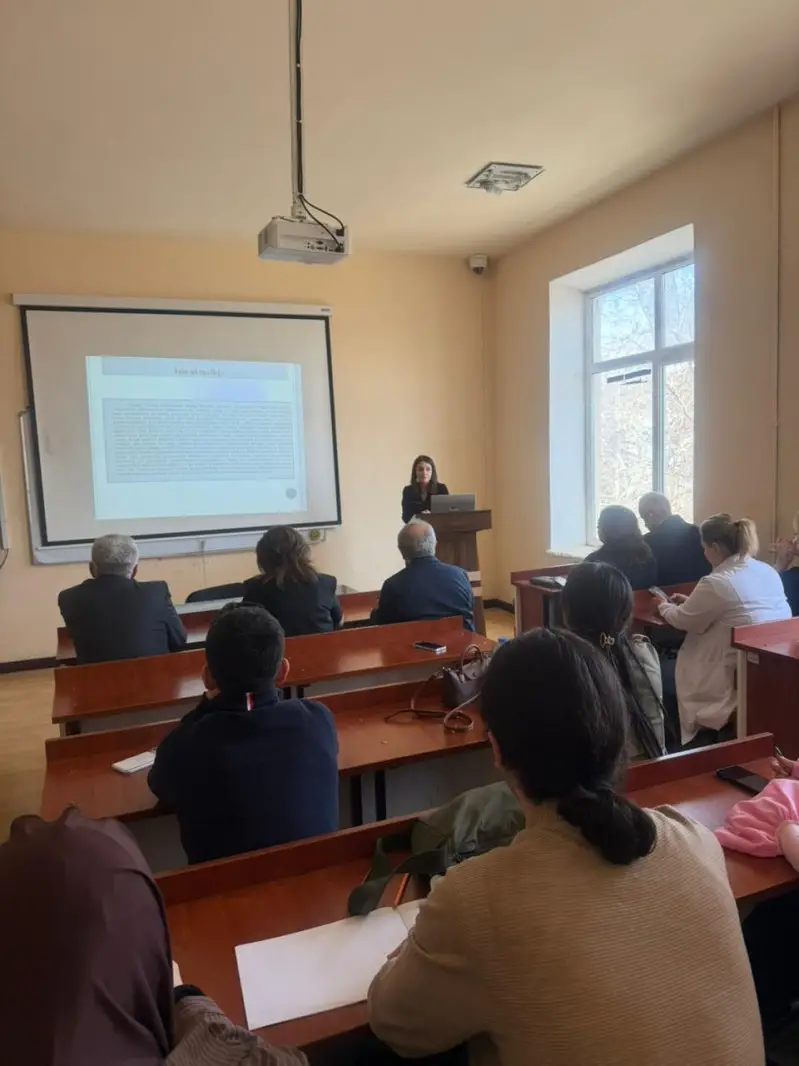
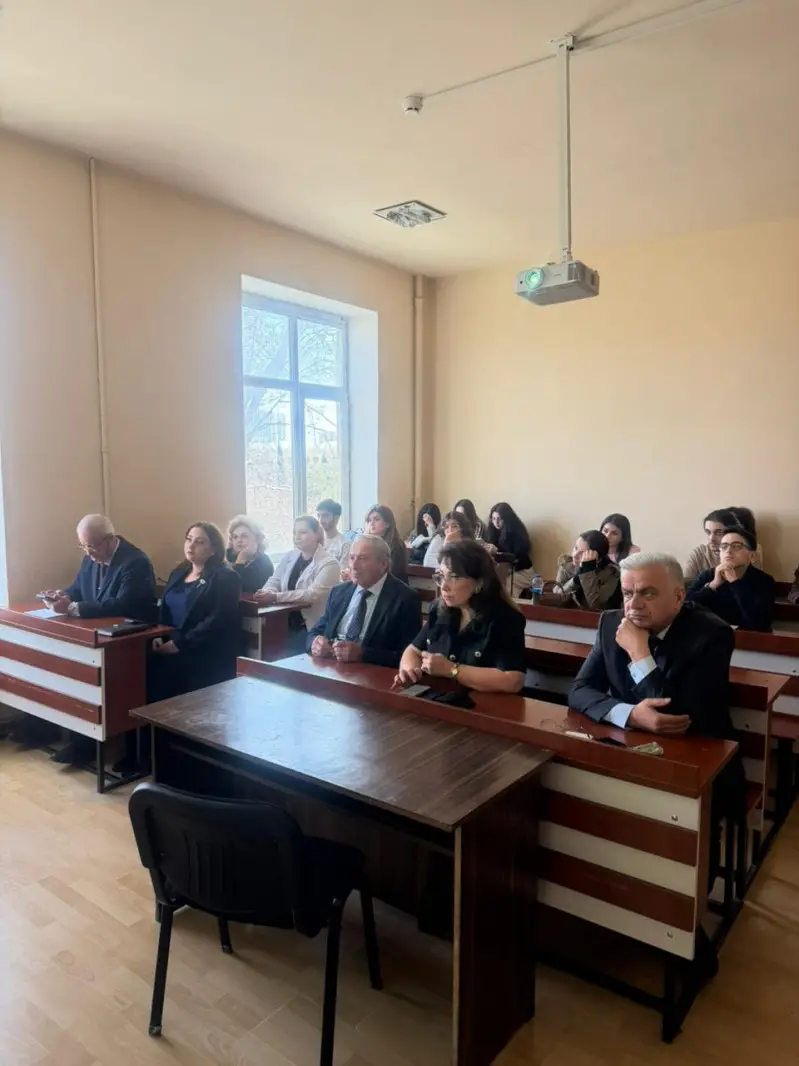
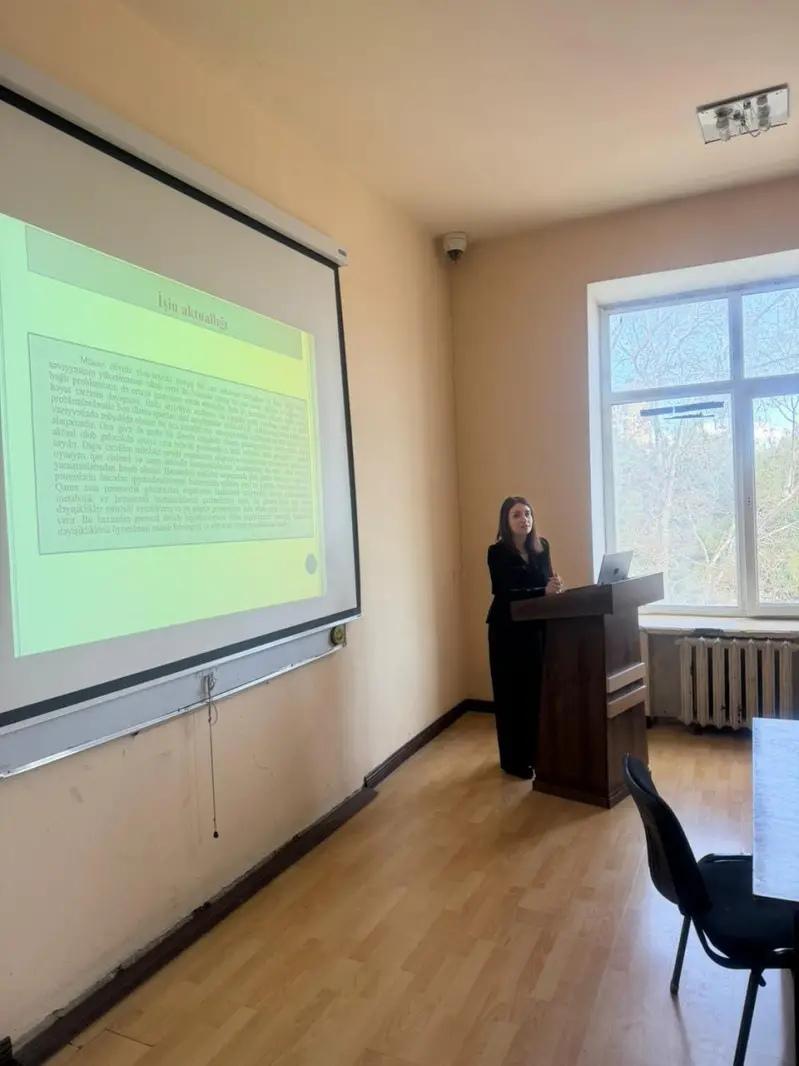
A scientific seminar titled “Study of blood parameters in pregnant rabbits exposed to perinatal hypokinesia and their newborn offspring” was held at Baku State University (BSU) as part of events dedicated to Science Day in Azerbaijan.
The presenter, doctoral student Jeyhuna Hamidova from the Department of Zoology and Physiology, shared the results of her research on the impact of perinatal hypokinesia on physiological and hematological changes in both maternal organisms and newborns. She explained that perinatal hypokinesia refers to a significant reduction in fetal or neonatal motor activity. Limitation of physical activity during embryonic development can affect various functional systems of the organism and lead to long-term developmental changes.
The study demonstrated that restricting movement in pregnant rabbits during different stages of perinatal development induces stress conditions and affects blood supply in the offspring, potentially leading to developmental delays. Significant changes were observed in the blood coagulation system from the first day of the experiment. The findings also showed that hypokinesia at different developmental stages had a notable impact on hemoglobin levels and platelet activity in pregnant rabbits.
Detailed information was provided on the experimental methodology, the animal models used, and the comparative analysis of hematological indicators. The results confirmed that perinatal hypokinesia causes measurable changes in the blood system, which are also evident in newborn offspring.
The seminar concluded with in-depth discussions, where participants’ questions were addressed, and the theoretical and practical significance of the research was emphasized.
SDG 3 (Good Health and Well-being), SDG 4 (Quality Education), SDG 9 (Industry, Innovation and Infrastructure)