 als
alsMenu
News and Events
Special scientific seminar dedicated to the “Year of Architecture and Urban Planning” held at BSU
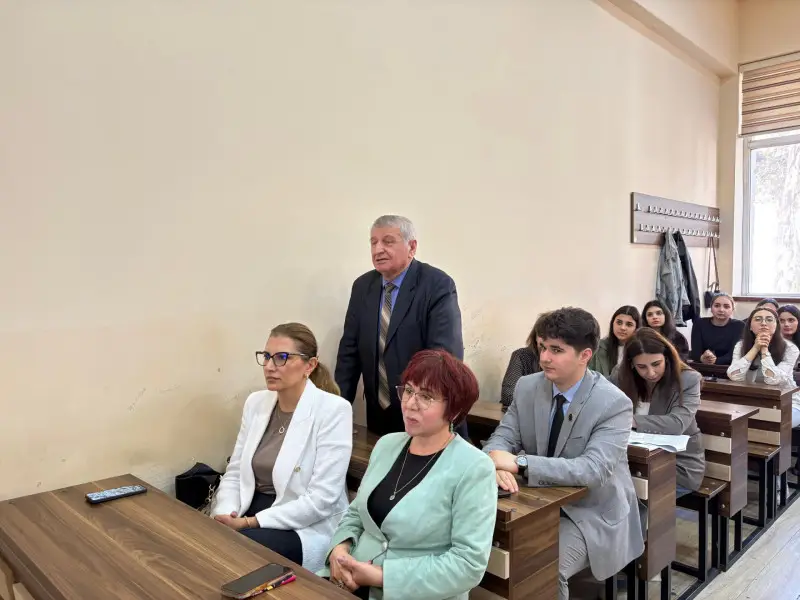
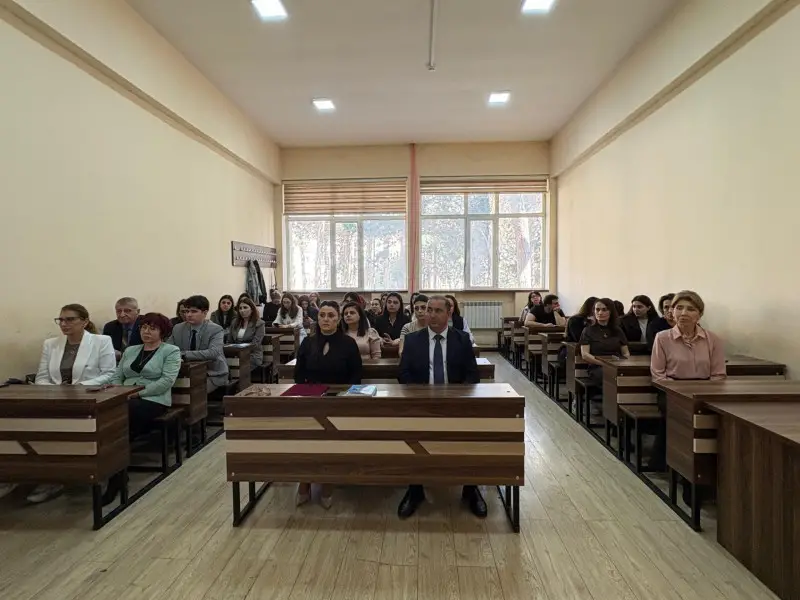
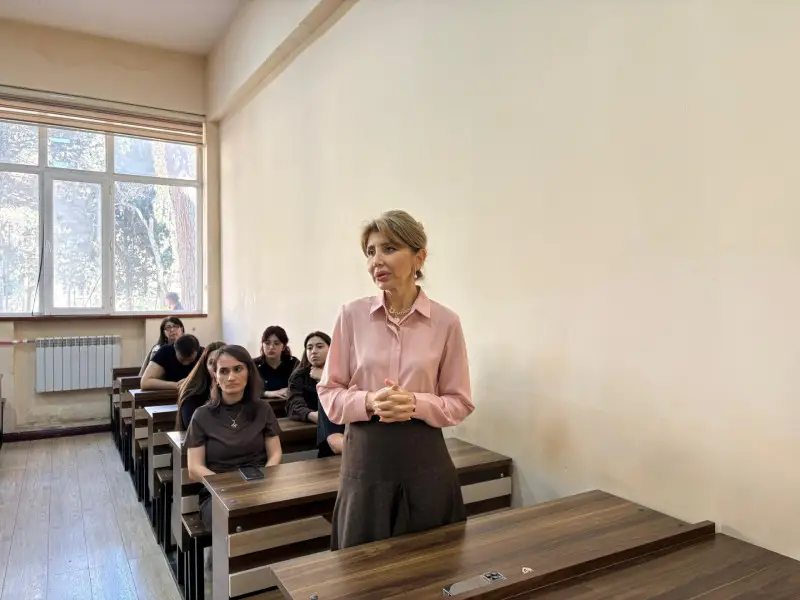
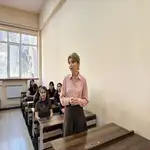
A special scientific seminar dedicated to the “Year of Architecture and Urban Planning” was held at Baku State University (BSU), organized by the Student Scientific Society of the Faculty of Ecology and Soil Science.
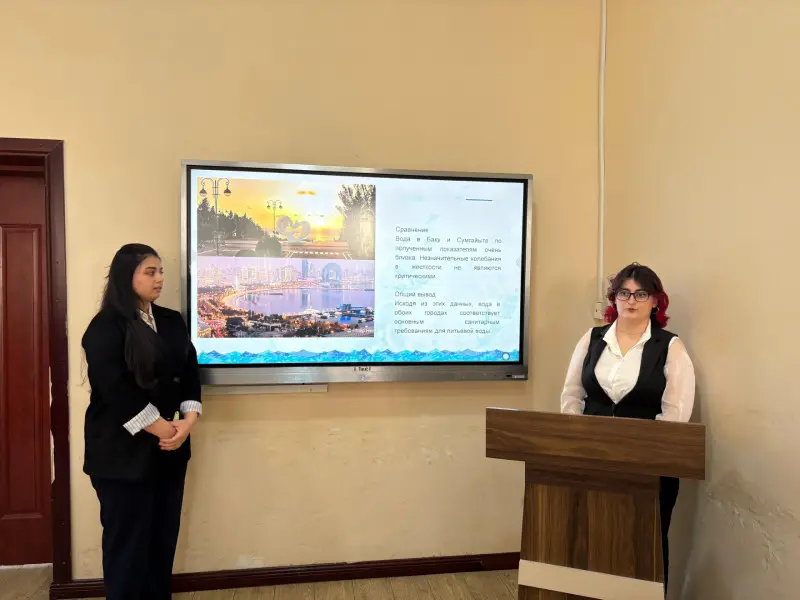
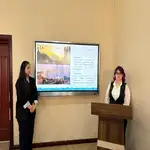
During the seminar, fourth-year students Arzu Asgarova and Lamiya Huseynova delivered a presentation on the topic “Comparative analysis of the eco-chemical composition of water in the cities of Baku and Sumgait.” Within the research, water resources of both cities—particularly drinking and surface waters—were comparatively analyzed. The concentrations of heavy metals (lead, cadmium, copper, zinc, etc.), petroleum products, pH levels, minerals, and other pollutants in water samples were determined. The results showed that pollution levels are higher in Sumgait, where industrial enterprises are densely located, compared to Baku. In particular, it was noted that some indicators exceeded permissible limits due to the impact of the petrochemical industry. In Baku, the influence of urbanization and transportation was more evident. The presenters proposed strengthening monitoring, modernizing treatment facilities, and increasing environmental control to improve water quality.
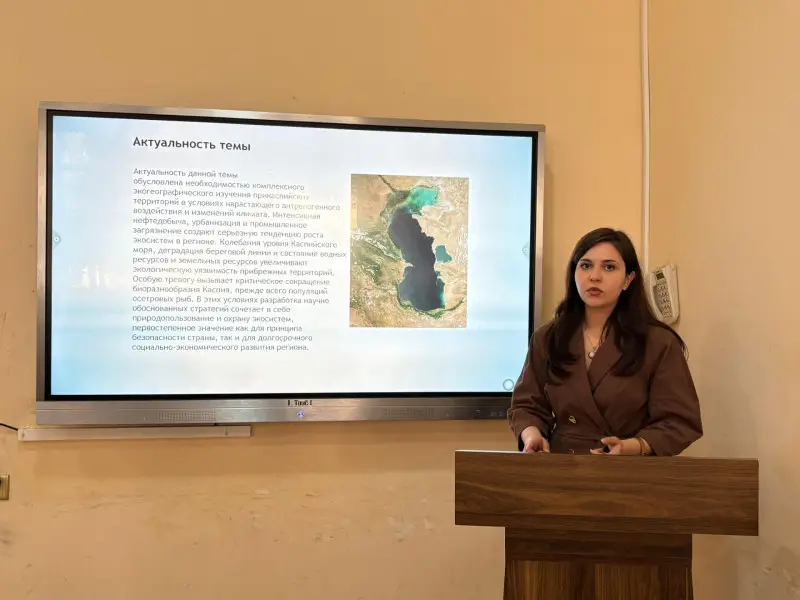
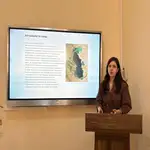
Later, another fourth-year student, Sakina Hajiyeva, delivered a presentation on “Eco-geographical aspects of sustainable development of Azerbaijan’s Caspian coastal areas.” The report analyzed the eco-geographical characteristics of coastal zones of the Caspian Sea (including Absheron, Khachmaz, Lankaran, and other regions), as well as issues such as climate change impacts, sea level rise, soil erosion, biodiversity loss, and increasing anthropogenic pressure. The study explored ways to preserve ecological balance, develop green infrastructure, and ensure efficient use of natural resources within the framework of sustainable development principles. The importance of prioritizing environmental criteria in urban planning and architectural projects in coastal zones was emphasized.
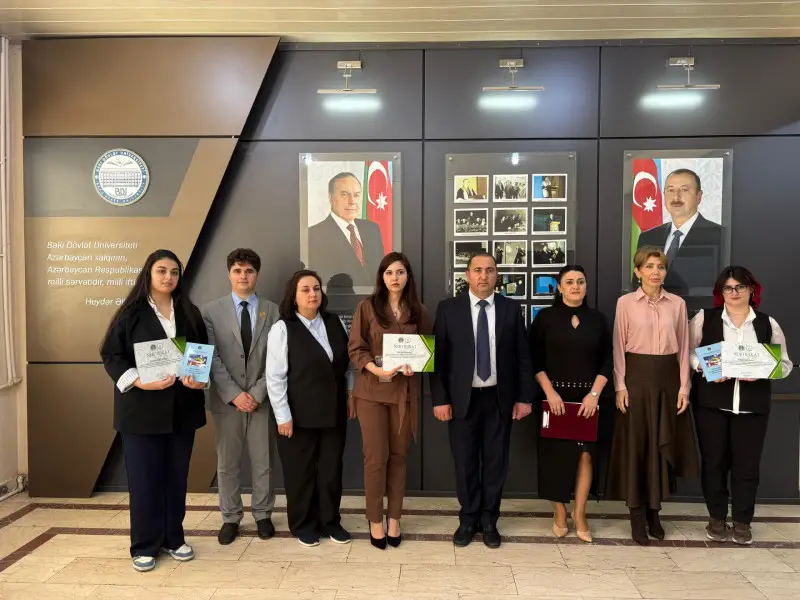
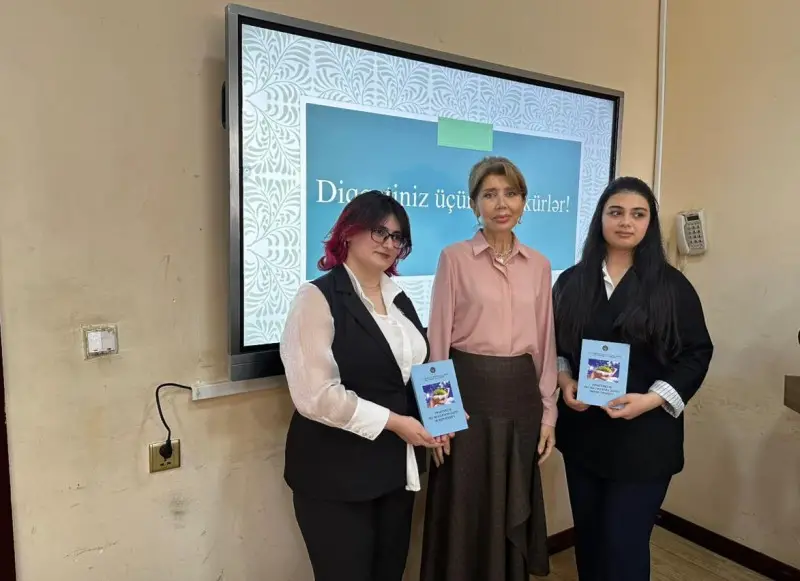
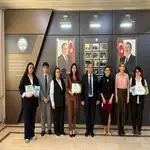
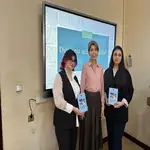
The presentations were received with great interest by participants, and students provided detailed answers to the questions addressed to them. At the end of the seminar, the presenters were awarded books and certificates.
SDG 4 (Quality Education), SDG 11 (Sustainable Cities and Communities), SDG 13 (Climate Action)