 als
alsMenu
News and Events
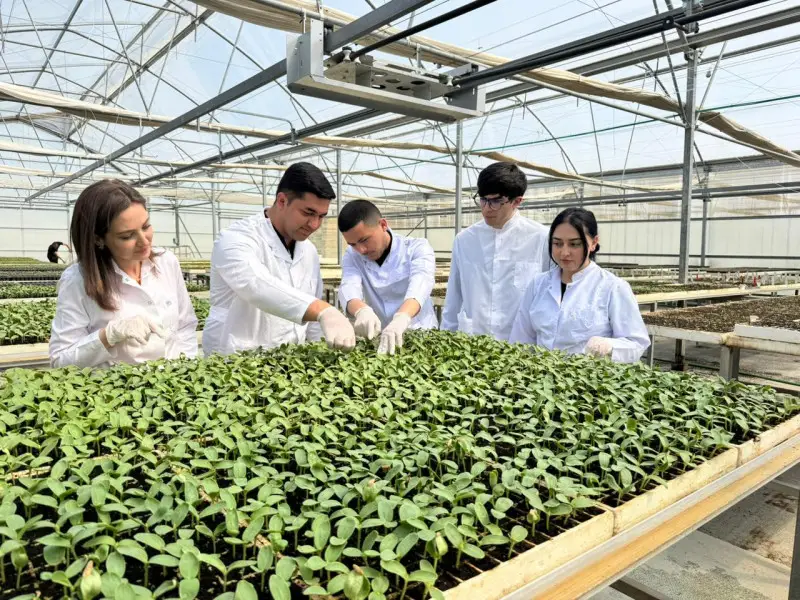
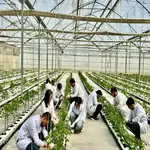
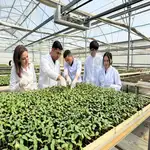
Fourth-year students majoring in soil science and agrochemistry at the Faculty of Ecology and Soil Science of Baku State University (BSU) are successfully continuing their practical training at the Vegetable Research Institute under the Ministry of Agriculture.
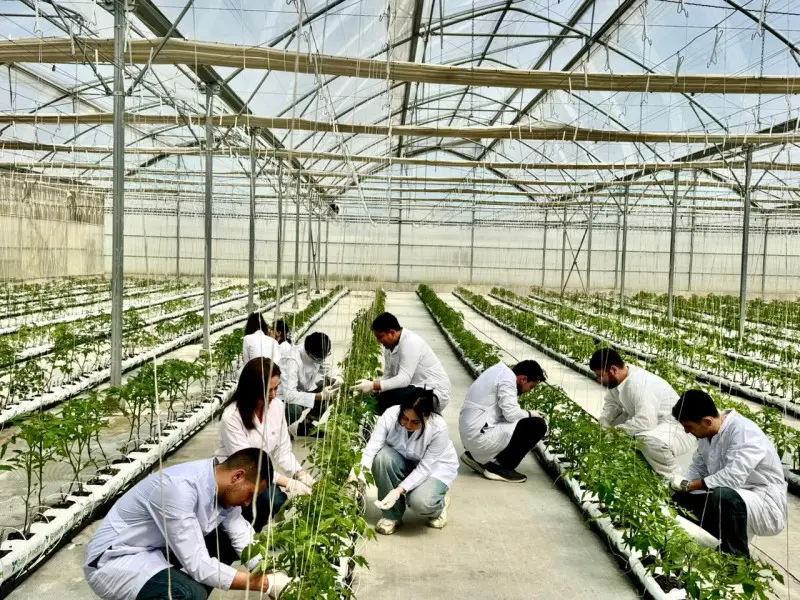
The training began with an introduction to the institute’s departments and laboratories. Students then became familiar with the processes of soil selection and preparation for planting in open and protected fields, including fertilization, plowing, harrowing, furrowing, and irrigation channel development. They also learned about sowing and planting processes, as well as agrotechnical maintenance practices for vegetable and melon crops.
At the selection department, students were introduced to the selection of initial materials and the development of new varieties and hybrids through various breeding methods. In the seed production department, they received information about the primary seed production of local and regionally adapted varieties. In the greenhouse vegetable department, students studied the cultivation technologies, breeding, and seed production of crops such as tomatoes, peppers, eggplants, cucumbers, and lettuce under controlled conditions.
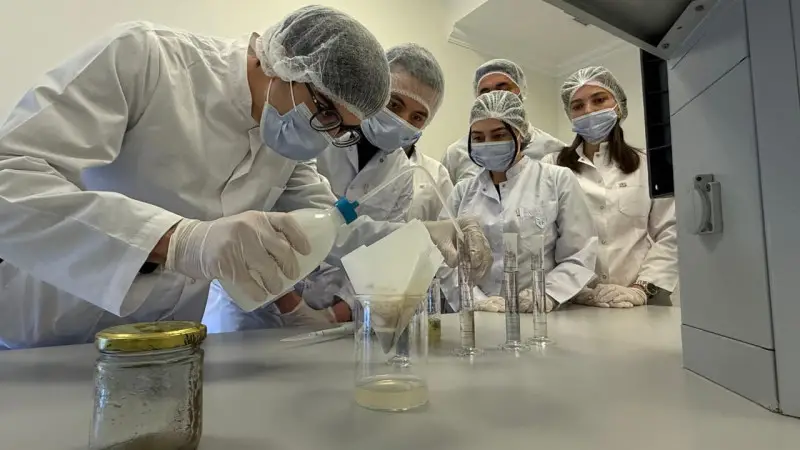
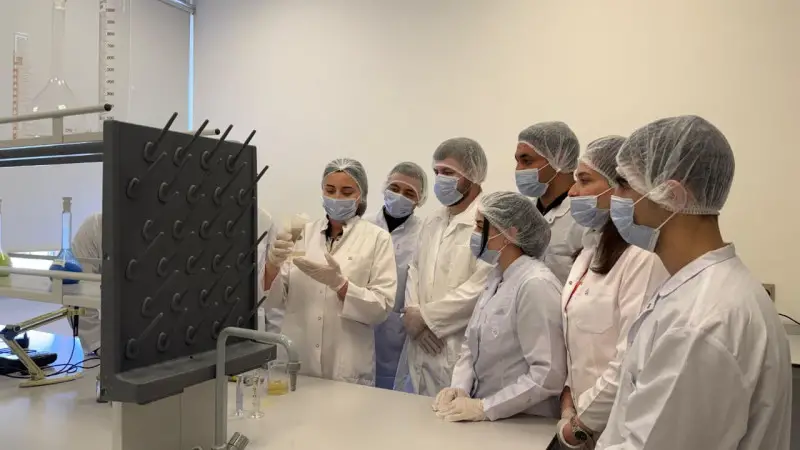
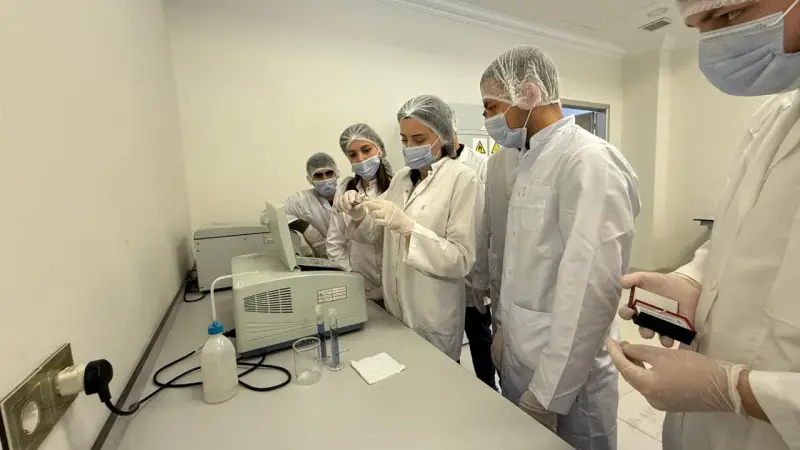
In the functional analysis laboratory, students conducted soil, plant, and water analyses, examined fertilization regimes and physiological indicators, and determined residues of agrochemical substances. The processing, storage, and quality laboratory demonstrated modern methods of product processing, drying, and preservation.
In the plant protection laboratory, students learned about agrotechnical, physical, chemical, and biological methods of controlling harmful organisms. In the agrobiotechnology laboratory, the process of microclonal propagation of potatoes using the apical meristem method and the production of healthy lines were explained. The potato cultivation department presented information on the development of new varieties and cultivation technologies.
Students showed particular interest in the functional analysis laboratory, where modern equipment was used to conduct various analyses. These included determining macro- and microelements in plant, soil, and water samples using ICP-OES technology, identifying pesticide residues through gas and liquid chromatography, and analyzing dry matter, sugar, starch, nitrate, and other indicators in vegetable crops. Water samples were also analyzed for nitrite, sulfate, and chloride ions.
Throughout the training period, institute specialists closely worked with students, answered their questions, and supported the development of their practical skills.
SDG 4 (Quality Education), SDG 2 (Zero Hunger), SDG 12 (Responsible Consumption and Production), SDG 15 (Life on Land)