 als
alsMenu
News and Events
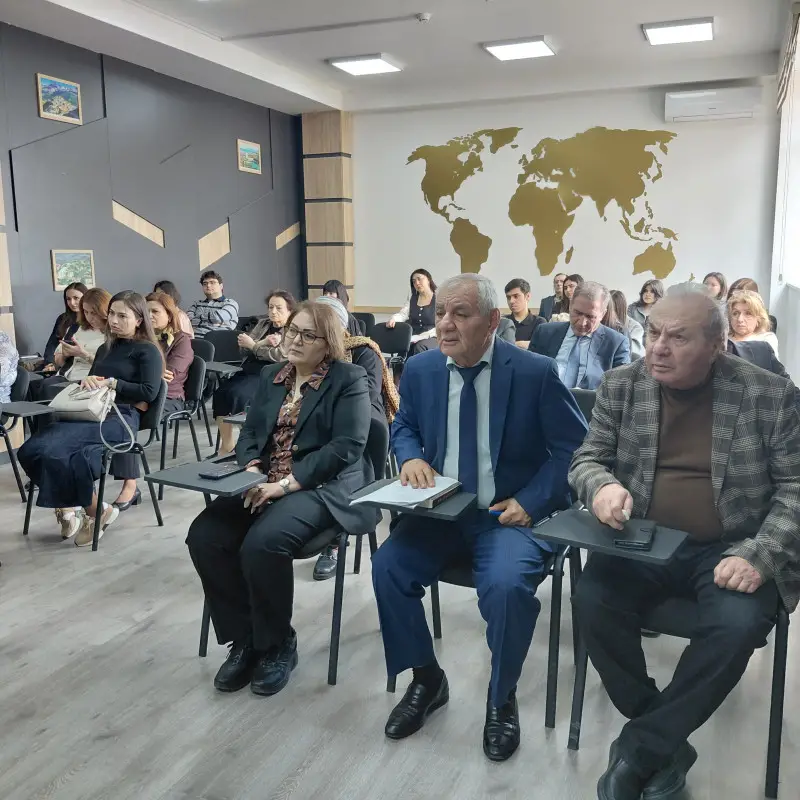
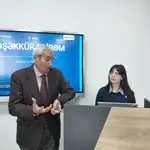
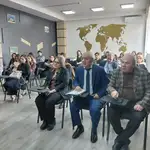
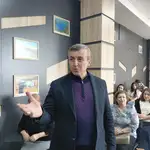
An academic seminar titled “The impact of anthropogenic activity on the morphodynamics of river valleys on the southern slope of the Greater Caucasus” was held at the Faculty of Geography of Baku State University (BSU).
Associate Professor Saleh Nagiyev noted that in the context of increasingly intense natural hazards, the scientific study of anthropogenic impacts on nature has become particularly relevant. He highlighted recent heavy rainfall events that have caused floods and emphasized the importance of studying morphodynamic processes in rivers.
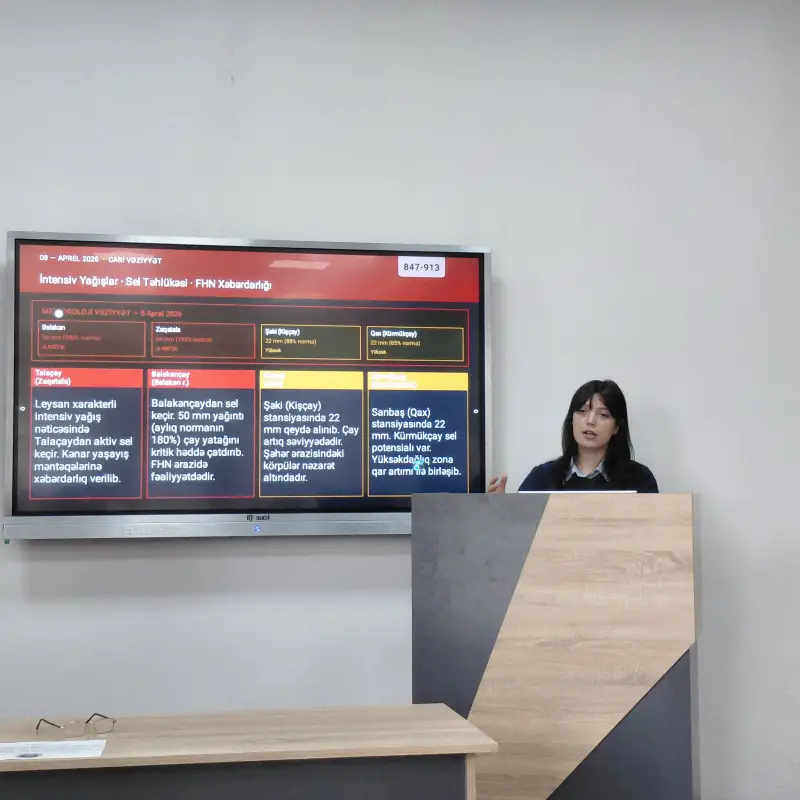
In her presentation, doctoral student of the Department of Physical Geography Aygun Azizova stated that her research covers river basins on the southern slope of the Greater Caucasus, including the Shinchay, Kishchay, Balakanchay, and Kurmukchay rivers. The region is characterized by a temperate-warm and cold mountain climate and contains more than 30 river valleys. Within the study, parameters such as river length, source elevation, basin area, feeding sources, flood periods, and flow regimes were comparatively analyzed, while flood events were grouped chronologically over multiple years.
The researcher emphasized that drainage collectors and other anthropogenic structures play a significant role in transforming river flow. She pointed out that recent precipitation in the Balakan-Zagatala region reached 180% of the monthly norm and linked the increasing anthropogenic impact on morphodynamic processes to the exploitation of polymetal deposits. It was noted that drainage waters generated during mining activities may infiltrate rivers, leading to the oxidation of sulfide minerals and increasing the risk of heavy metal ions entering water bodies. The importance of regulating anthropogenic activities, taking into account changing meteorological conditions and hydrological characteristics of rivers, was highlighted.
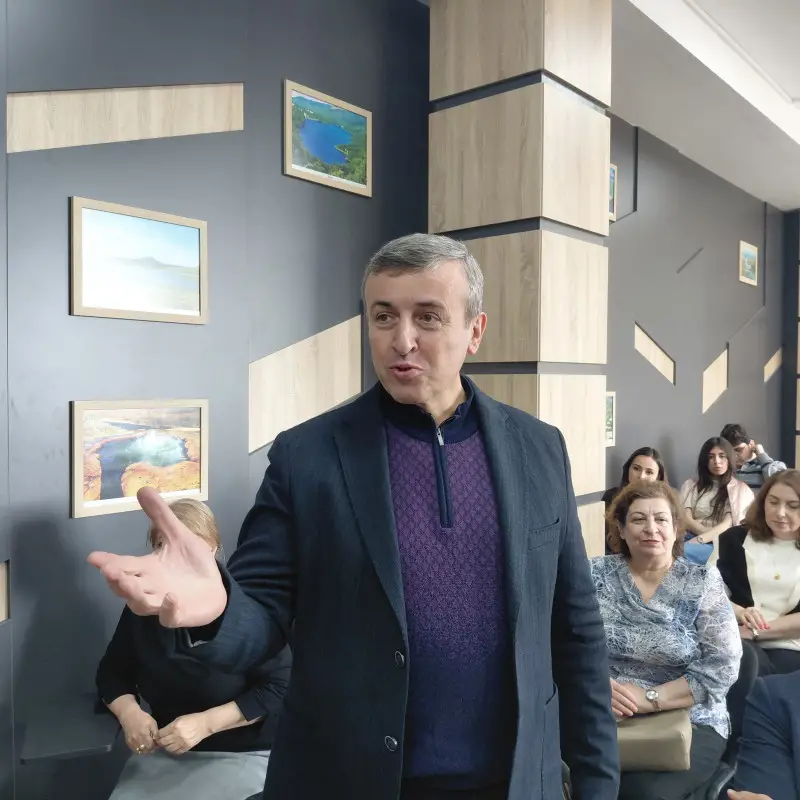
During the seminar, Professor Maqsad Gojamanov, Associate Professors Shakar Mammadova and Ramiz Ahlimanov, and PhD researchers Gabil Samedov and Nigar Ismayilova emphasized the relevance of the research topic and recommended continuing scientific studies in this direction.
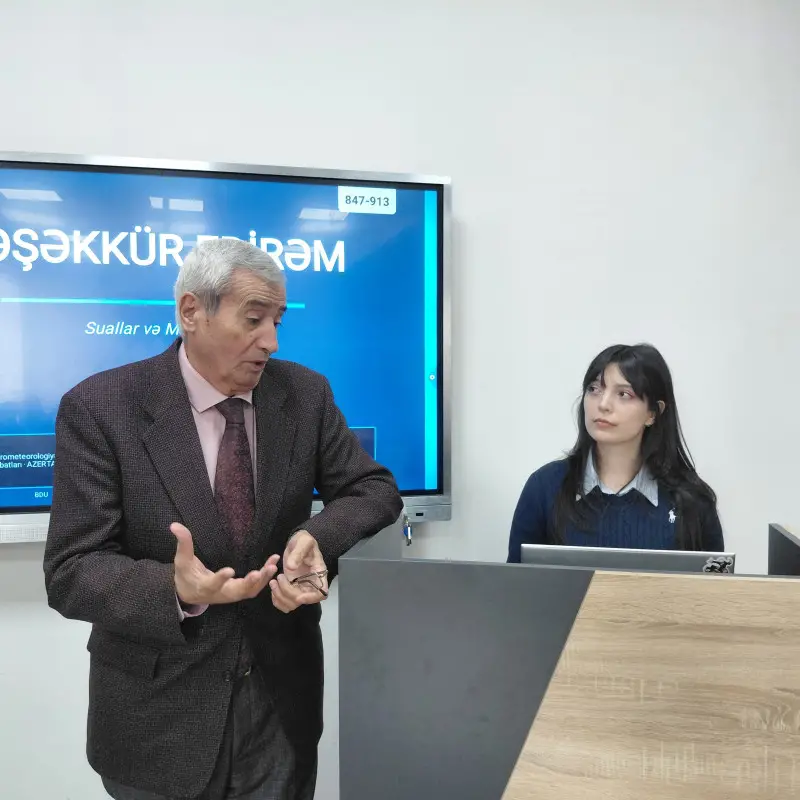
The seminar continued with a Q&A session with participants.
SDG 6 (Clean Water and Sanitation), SDG 13 (Climate Action), SDG 15 (Life on Land)