 als
alsMenu
News and Events
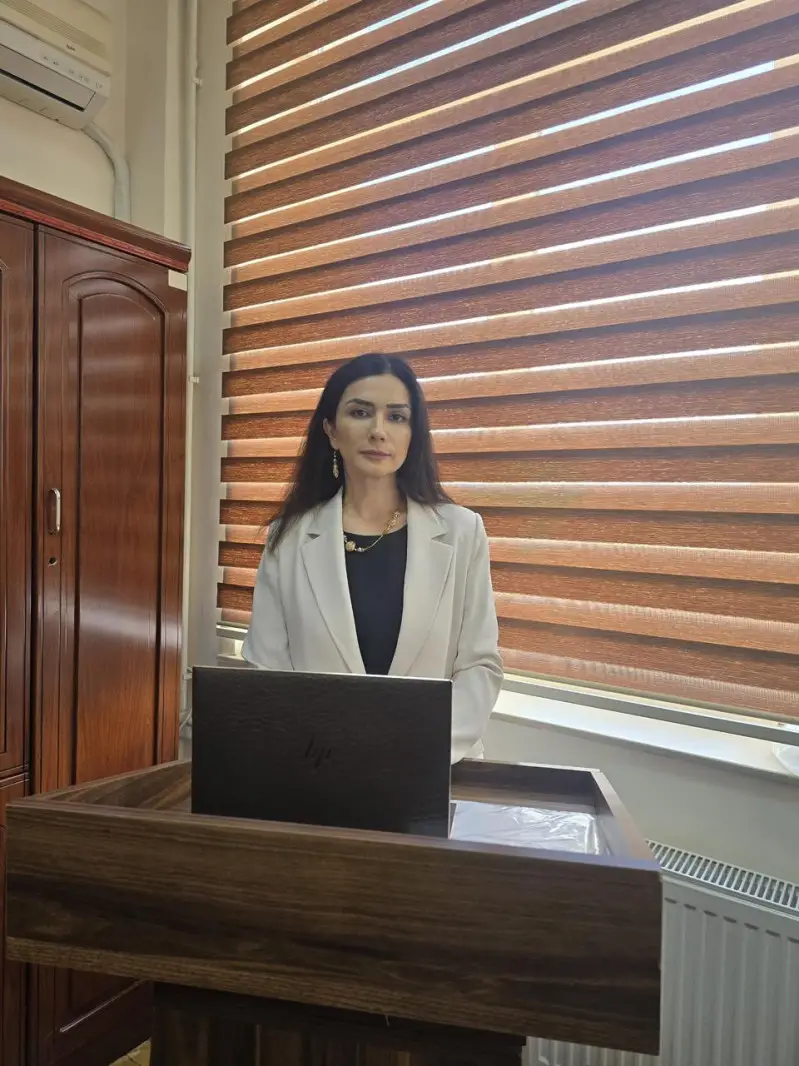
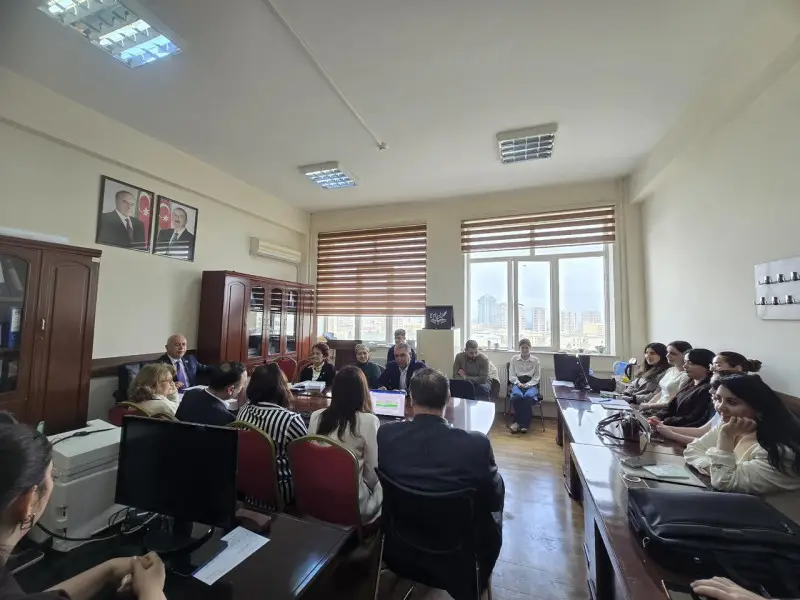
A scientific seminar titled “The Ethno-Cultural Heritage of Zangezur: A Modern Analytical Perspective” was held at the Department of Source Studies, Historiography, and Methodology within the Faculty of History at Baku State University. The seminar was delivered by Dr. Bircə Bayramova, a lecturer from the Department of History of Asian and African Countries.
Professor Anar Isgandarov, Doctor of Historical Sciences and Head of the Department, emphasized that the research draws extensively on sources in Azerbaijani, Russian, Turkish, English, and Persian. This multilingual approach enables a more comprehensive examination of Zangezur’s rich ethnic diversity and multicultural character, while also providing a foundation for addressing contemporary issues in regional history, ethnography, and cultural studies.
During the seminar, particular attention was given to the strategic importance of the region, as well as its historical development shaped by the influence of various empires and states. Zangezur’s role as a key intersection of major transportation and trade routes in the Caucasus—including the ancient Silk Road—was highlighted.
Dr. Bayramova also analyzed the defensive significance of the region’s complex mountainous terrain and explored the historically evolved social relations among the ethnic groups inhabiting the area. It was noted that the indigenous populations of Western Azerbaijan played a significant role in the broader ethnogenesis of the Azerbaijani people, particularly in ancient periods. The material and spiritual values formed in these territories have, over time, enriched and become integral components of Azerbaijani culture.
Furthermore, attention was drawn to archaeological and epigraphic evidence supporting the participation of Turkic tribes in the formation of the Caucasian Albanian state. The seminar also included discussions on the region’s folklore, traditional performances, linguistic heritage, and the richness of its cultural memory.
The event was conducted in an interactive format, with active participation from faculty members and graduate students. It was noted that the seminar holds particular importance in terms of integrating the historical and cultural heritage of the Zangezur region into academic discourse, systematizing existing knowledge, and fostering mechanisms for scholarly dialogue.
SDG 4 (Quality Education), SDG 11 (Sustainable Cities and Communities), SDG 16 (Peace, Justice and Strong Institutions)